
 Washer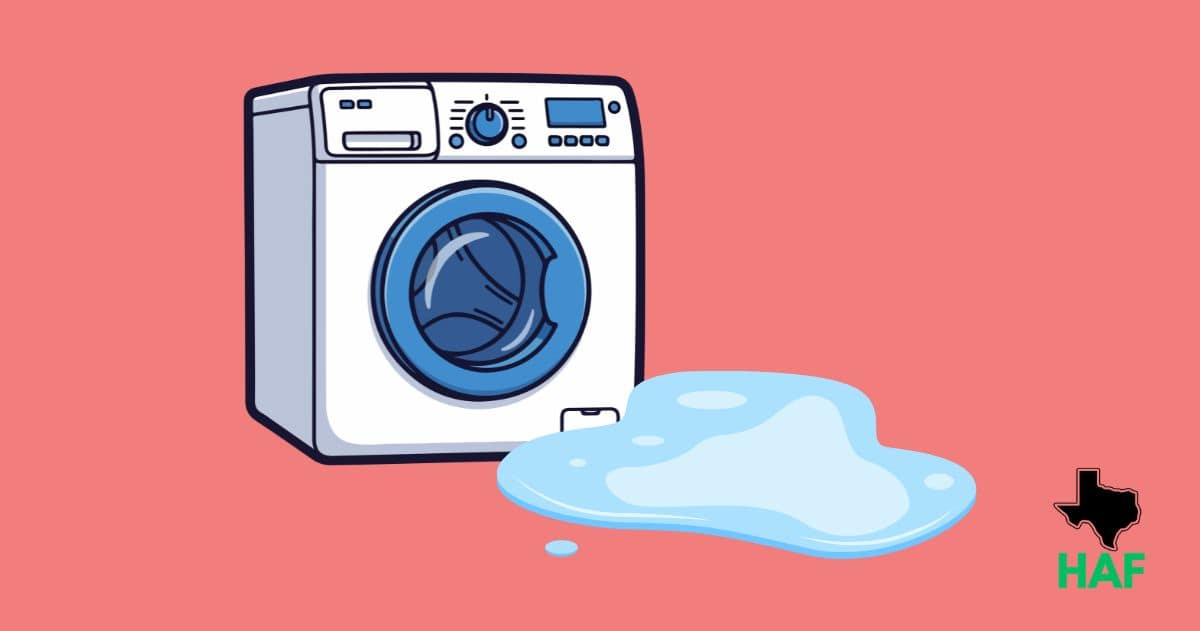

A bottom leak makes people nervous fast, and that is understandable. Many leaks on GE washers are simple hose or clamp issues.
From field jobs, many bottom leaks are fixed with simple tightening or hose replacement.
If your GE washer is leaking from the bottom, do not guess parts too early. First find out when the leak starts: fill, drain, or spin.
1. Check Fill Hoses and Connections
Touch the rear hose connections while the machine fills. If your fingers get wet, that is likely the leak point.
Look for wet spots at the rear valves and hose nuts. Touch around each connection when fill begins. A tiny drip here can become a large puddle later.
Rear hose check steps:
- Press Start on a short fill cycle.
- Touch each hose nut for moisture.
- Check valve side for spray or drips.
- Tighten a loose connection and retest.
- Dry area and recheck after 5 minutes.
2. Inspect Drain Hose and Standpipe Area
During drain, watch the hose and standpipe for splash or overflow.
Leaks during drain often come from this area on GE washers. Standpipe overflow can also send water back to the floor. Watch this section while the pump is running.
3. Look at Door Boot or Lid Seal
Front-load door-boot tears can drip downward and look like a bottom leak.
Tears, soap buildup, or trapped fabric can push water down to the floor. This can look like a bottom leak even when the source is at the front.
Clean the seal folds and check carefully with a flashlight.
4. Run a Small Load Test
Run a short cycle with a few towels and keep a flashlight nearby.
Run a quick cycle and watch exactly when the leak starts. If it leaks only in spin, leveling or load balance may be part of the issue.
If it leaks during drain, inspect the pump side first. Leak timing checklist:
- Leak during fill: check inlet hoses.
- Leak during drain: check pump and drain hose path.
- Leak during spin: check level and load balance.
5. Check Pump and Pump Hoses Under Unit
If the leak appears mostly during drain, inspect the pump housing and nearby clamps.
Bottom leaks during drain usually point to the pump housing or hose clamp. Look for water trails below the pump area.
White mineral marks can help you see old leak path.
6. Level the Washer
An unlevel washer can throw water out during high spin.
If your GE washer is tilted, water can splash out during spin and look like a bottom leak. Leveling takes a few minutes and can solve repeated floor-water complaints.
Check that all feet of your GE washer are touching the floor firmly.
7. Re-Test on a Dry Floor
Dry the floor fully and place paper towels under the front and back edges. Run one short cycle again and confirm where the first wet spot appears.
If the leak source is still unclear, the washer may need an internal pressure test. If your washer also pauses during wash, follow this GE washer stops mid-cycle guide.
If the problem started after a power flicker, reset your GE washer like this before deeper troubleshooting.
If your GE washer gets stuck early in the cycle, check GE washer stuck on sensing.
If it also keeps beeping during failed cycles, read beeping problems on GE washer.
If the door remains locked after a failed run, follow unlock a locked GE washer door.
If you still cannot find the source, we can run a full leak trace and pressure test of your GE washer on-site.